Rachel Shabi: The Influential Journalist Shaping Global Debates — A Powerful Voice on Identity, Politics, and Controversy

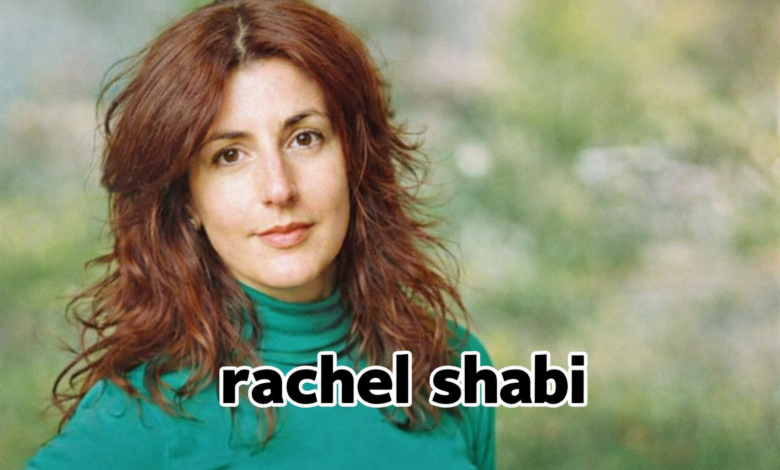
Rachel Shabi is widely known as a respected journalist, author, and political commentator who has built a reputation for exploring complex issues related to identity, politics, and Middle Eastern affairs. Her work has sparked meaningful discussions while also generating debate among readers who follow international politics and social issues. Through her journalism and books, Rachel Shabi has become an influential voice in conversations about culture, history, and global politics.
Born in Israel and raised in the United Kingdom, Rachel Shabi developed a unique perspective shaped by diverse cultural experiences. This background allowed her to analyze global issues with depth and nuance, making her articles both informative and thought-provoking. Over the years, she has contributed to some of the most well-known international publications, helping readers understand complicated political developments and social dynamics.
Quick Bio
| Attribute | Details |
|---|---|
| Full Name | Rachel Shabi |
| Date of Birth | 30 March 1973 |
| Age | 52 years (as of 2025) |
| Birthplace | Ramat Gan, Israel |
| Nationality | British-Israeli |
| Ethnicity | Iraqi Jewish (Mizrahi Jewish heritage) |
| Profession | Journalist, Author, Broadcaster |
| Education | University of Edinburgh |
| Known For | Journalism on Middle Eastern politics and cultural identity |
Rachel Shabi Early Life and Background
Rachel Shabi was born in Ramat Gan, Israel, into a family with Iraqi Jewish heritage. Her parents were part of the Jewish community that migrated from Iraq to Israel during the twentieth century. This background later played an important role in shaping her understanding of identity, culture, and political history.
During her childhood, Rachel Shabi’s family moved to the United Kingdom, where she grew up and completed most of her education. Living between different cultural influences helped her develop a broader perspective on society and global politics. These early experiences later influenced the topics she explored in her journalism and writing.
Education and Academic Journey
Rachel Shabi pursued higher education in the United Kingdom, enrolling at the University of Edinburgh. At university, she studied politics and literature, two disciplines that helped her develop analytical thinking and strong writing skills. These subjects also allowed her to explore global political issues from both academic and cultural perspectives.
Her academic training played a key role in preparing her for a career in journalism. By studying political systems and literary expression, she learned how to interpret complex ideas and communicate them effectively to a wide audience. This combination of skills became a strong foundation for her future career as a writer and commentator.
Rachel Shabi Journalism Career
Rachel Shabi began her professional journey as a journalist focusing on international politics, culture, and social issues. Her reporting quickly gained attention because of its thoughtful analysis and willingness to address complex and sometimes controversial topics.
Over time, Rachel Shabi became known for writing about the Middle East, identity politics, and the Israeli-Palestinian conflict. Her work often examines how history, culture, and political systems shape modern societies. Through her articles and commentary, she aims to provide deeper insight into issues that affect global audiences.
Major Publications and Media Contributions
Throughout her career, Rachel Shabi has written for several prominent international publications. Her journalism has appeared in respected newspapers and magazines that focus on global affairs and political analysis.
Some of the well-known media outlets where Rachel Shabi has contributed include The Guardian, The New York Times, The Independent, and The New Statesman. These platforms have allowed her to reach a wide readership and participate in important discussions about international politics and social change.
In addition to print journalism, Rachel Shabi has also appeared as a commentator on television and media panels. Through these appearances, she discusses current political developments and offers expert insights into complex global issues.
Rachel Shabi Books and Writing
In addition to journalism, Rachel Shabi is also a successful author who has written books exploring cultural identity and political history. Her writing often highlights perspectives that are not widely discussed in mainstream narratives.
One of her most recognized works is a book that examines the history of Jews from Arab countries and their experiences in Israel. The book explores themes of migration, cultural identity, and social change, offering readers a deeper understanding of Middle Eastern history.
Another major work by Rachel Shabi focuses on modern debates about antisemitism and how the topic is discussed in contemporary politics. Through careful analysis, she examines how historical narratives and political perspectives influence the way antisemitism is understood today.
Influence on Political and Cultural Discussions
Rachel Shabi has become an important figure in discussions about identity, politics, and cultural heritage. Her journalism often challenges readers to think critically about history and the ways political narratives shape public understanding.
At times, her work has sparked strong reactions from different audiences. Some readers praise her for raising important issues and highlighting overlooked perspectives, while others debate her interpretations of political events. This mix of positive recognition and criticism demonstrates the powerful impact her writing has on public discourse.
Awards and Recognition
Throughout her career, Rachel Shabi has received recognition for her contributions to journalism. Her work has been acknowledged for its thoughtful analysis and ability to bridge cultural conversations across different communities.
She has also been shortlisted for major journalism awards and honored for reporting that encourages dialogue between cultures. These achievements highlight her role as a journalist committed to exploring complex global issues.
Rachel Shabi’s Impact on Modern Journalism
Rachel Shabi’s influence extends beyond individual articles and books. She represents a generation of journalists who aim to connect history, politics, and cultural identity in meaningful ways. Her work demonstrates how journalism can be both informative and analytical.
By addressing difficult topics and presenting diverse perspectives, she has contributed to broader conversations about global politics and social change. Her writing continues to encourage readers to think more deeply about the world around them.
Conclusion
Rachel Shabi has built a respected career as a journalist, author, and commentator known for exploring complex political and cultural issues. From her early life shaped by multiple cultures to her influential journalism career, she has consistently used her voice to examine important global debates.
Through her articles, books, and media appearances, Rachel Shabi continues to contribute to discussions about identity, politics, and history. Whether readers agree or disagree with her viewpoints, her work remains an important part of contemporary political journalism.
FAQ
Who is Rachel Shabi?
Rachel Shabi is a British-Israeli journalist, author, and political commentator known for writing about Middle Eastern politics, cultural identity, and global social issues.
Where was Rachel Shabi born?
Rachel Shabi was born in Ramat Gan, Israel.
What is Rachel Shabi known for?
She is known for her journalism on Middle Eastern politics, identity debates, and cultural history, as well as for writing influential books on these topics.
What did Rachel Shabi study?
Rachel Shabi studied politics and literature at the University of Edinburgh.
Why is Rachel Shabi influential?
Rachel Shabi is considered influential because her journalism addresses complex political and cultural issues, helping audiences better understand global events and historical perspectives.