Introduction
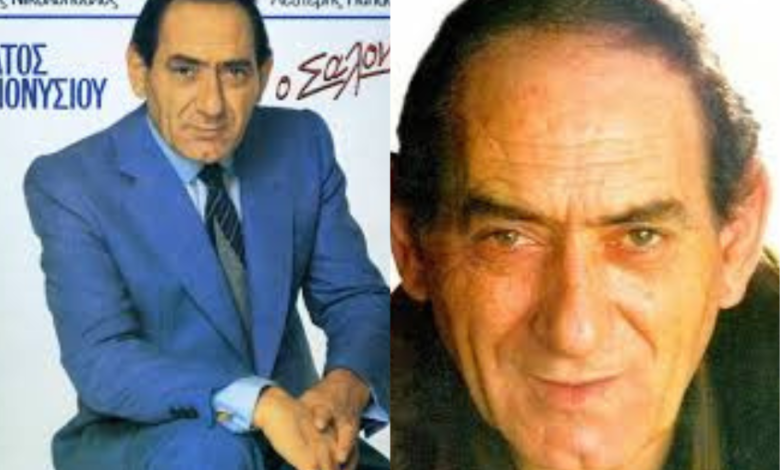
Stratos Dionisiou stands as one of the most powerful and emotionally charged voices in Greek music history. His songs spoke directly to ordinary people, expressing love, pain, regret, hope, and resilience with rare honesty. He was admired for his raw delivery and stage presence, and at the same time criticized and challenged by personal and professional difficulties that shaped his journey.
The story of stratos dionisiou is both inspiring and complex. On one side, he reached the very top of Greek laïko music and became a cultural symbol. On the other side, his life included hardship, public scrutiny, and personal loss. This balance of strength and struggle is exactly what made his music timeless and deeply human.
Quick Bio
| Field | Details |
|---|---|
| Full Name | Stratos Dionisiou |
| Date of Birth | November 8, 1935 |
| Birthplace | Nigrita, Serres, Greece |
| Nationality | Greek |
| Profession | Singer |
| Music Genres | Laïko, Rebetiko |
| Active Years | Late 1950s – 1990 |
| Marital Status | Married |
| Children | Four |
| Date of Death | May 11, 1990 |
| Place of Death | Athens, Greece |
Early Life and Background
Stratos Dionisiou was born in Nigrita, a small town in northern Greece, into a family of Asia Minor refugee origin. His parents had already experienced displacement and hardship, and these realities shaped the environment in which he grew up. From an early age, he became familiar with struggle, responsibility, and emotional resilience.
His childhood was marked by poverty and loss, including the death of his father while he was still young. These early experiences pushed him into work at a young age and left a lasting emotional imprint. The themes of pain, endurance, and dignity that later defined his music were not artistic inventions, but reflections of real life.
Education and Early Interests
There are no confirmed public records detailing formal education in the life of stratos dionisiou. Like many artists of his generation, survival and work took priority over structured schooling. His learning came through life experience rather than academic institutions.
Music entered his life naturally rather than through formal training. He sang wherever he could, guided by instinct and emotion. This lack of academic polish became a strength, allowing his voice to remain raw, honest, and deeply connected to everyday people.
Start of Musical Career
The professional journey of stratos dionisiou began in small nightclubs and music venues in Thessaloniki. At first, he performed without fame or security, singing for modest audiences who gradually recognized the power of his voice. These early performances helped him refine his emotional delivery and stage confidence.
Eventually, he moved to Athens, the center of the Greek music industry. This decision marked a turning point, opening the door to recording opportunities and wider recognition. His early recordings laid the foundation for a career that would soon dominate Greek popular music.
Rise to Fame
The rise of stratos dionisiou was not sudden, but steady and earned. His voice carried a unique combination of strength and vulnerability that resonated deeply with listeners. As his songs gained popularity, he became known as a singer who could express heartbreak and pride in the same breath.
During the 1960s and 1970s, his presence in the Greek music scene became undeniable. He collaborated with major composers and lyricists, producing songs that quickly became classics. His performances were intense and memorable, earning him devoted fans across generations.
Musical Style and Artistic Identity
The musical identity of stratos dionisiou was rooted in laïko and rebetiko traditions. His singing style was powerful, direct, and emotionally charged, avoiding unnecessary ornamentation. Every lyric felt lived rather than performed.
His voice conveyed authority without arrogance and sorrow without weakness. This balance allowed listeners to see themselves in his songs. The authenticity of his delivery made his music relatable and enduring, even decades after his passing.
Personal Life
Stratos Dionisiou married Georgia Laveni at a young age, and together they built a family with four children. Despite the demands of fame, family remained an important part of his life. His children later became connected to music, continuing his artistic legacy.
Like many public figures, his personal life was not free from challenges. Public attention and professional pressure sometimes complicated private matters. Still, his role as a father and family man remained a defining aspect of his identity.
Career Challenges and Public Scrutiny
The career of stratos dionisiou included moments of controversy and difficulty. Legal troubles during the 1970s placed his reputation under strain and temporarily disrupted his professional momentum. These events attracted intense public attention and criticism.
Despite these setbacks, he demonstrated resilience and determination. He returned to the music scene with renewed strength, proving that talent and public connection could overcome even serious obstacles. This comeback further solidified his image as a fighter and survivor.
Later Career and Continued Success
In the 1980s, stratos dionisiou reached the peak of his artistic maturity. His voice gained even greater emotional depth, and his songs reflected wisdom earned through experience. Audiences responded with unwavering loyalty.
During this period, he remained a dominant figure in live performances and recordings. His music continued to evolve while staying true to its emotional core. This balance allowed him to remain relevant in a changing musical landscape.
Death and Final Moments
Stratos Dionisiou passed away on May 11, 1990, in Athens, at the age of 54. His death was sudden and deeply felt across Greece. Fans, fellow artists, and ordinary people mourned the loss of a voice that had accompanied them through life’s hardest moments.
His funeral drew an enormous public response, reflecting the profound connection he had built with society. Even in death, his presence felt powerful and unifying, a testament to his lasting impact.
Legacy and Cultural Impact
The legacy of stratos dionisiou remains strong decades after his passing. His songs continue to be played, sung, and reinterpreted, maintaining their emotional relevance. He is remembered not just as a singer, but as a voice of the people.
His influence extends beyond music into Greek cultural identity. He proved that authenticity and emotional truth can create art that survives time. His legacy is both inspiring and cautionary, showing the heights talent can reach and the struggles that often accompany it.
Conclusion
Stratos Dionisiou lived a life filled with both triumph and hardship. His voice elevated Greek laïko music to new emotional heights, while his personal journey revealed the cost of fame and intensity. He was neither flawless nor fragile, but deeply human.
Today, stratos dionisiou stands as a symbol of emotional honesty in music. His songs continue to remind listeners that strength and pain often walk together. This truth is why his voice still echoes, powerful and unforgettable.
Frequently Asked Questions
Who was stratos dionisiou?
Stratos Dionisiou was a Greek laïko and rebetiko singer known for his powerful voice and emotionally intense performances.
When and where was stratos dionisiou born?
He was born on November 8, 1935, in Nigrita, Serres, Greece.
What type of music did stratos dionisiou sing?
He primarily sang laïko and rebetiko, focusing on emotional storytelling and strong vocal delivery.
Was stratos dionisiou married and did he have children?
Yes, he was married and had four children.
Why is stratos dionisiou still important today?
His music remains relevant because of its emotional honesty, cultural significance, and deep connection with everyday human experiences.